Most plant operators treat gypsum grinding as simple crushing work — but stable, high-quality gypsum powder production relies on precise mechanical control and process discipline.
Gypsum milling inside a horizontal grinding mill depends on three core mechanical forces working together: impact, attrition, and shear. Controlled drum rotation lifts steel grinding media to fracture coarse ore particles, while continuous material friction and cascading shear action refine powder into uniform fineness.
One parameter dominates overall efficiency: mill critical speed.
Operating at 60%–80% of critical speed ensures ideal media cascading motion. Too slow = low throughput and energy waste. Too fast = excessive centrifugal force locks media against the liner, completely disabling grinding performance.
Unlike rigid ores, gypsum requires extra precision. Uncontrolled temperature, moisture, and over-grinding will trigger premature dehydration, turning dihydrate gypsum into hemihydrate plaster and ruining batch quality. Professional process tuning stabilizes particle size at 100–300μm, producing consistent powder for plaster formulations, cement additives, and gypsum wallboard manufacturing.
Precision grinding is not about more crushing — it’s about better control.
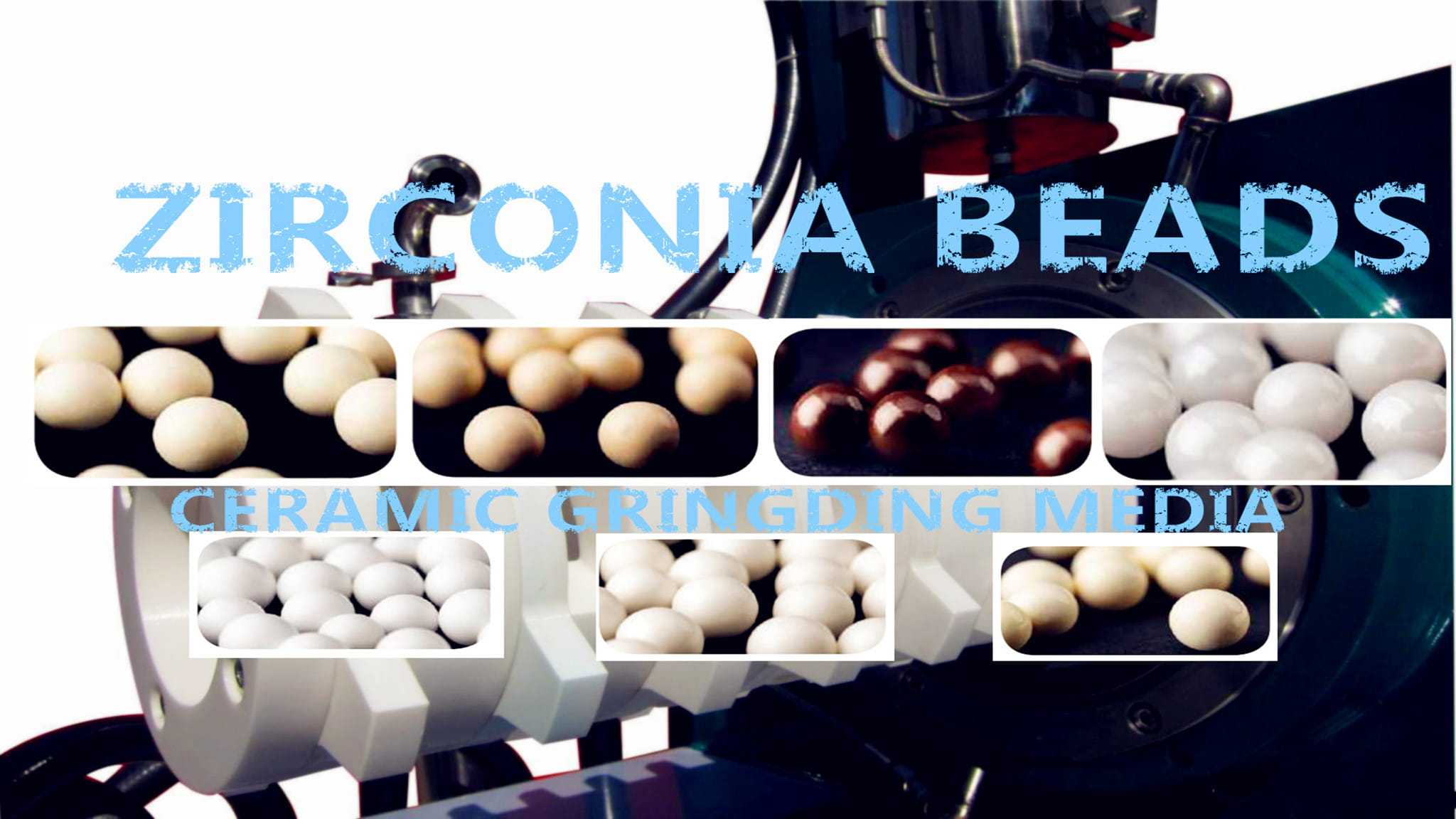
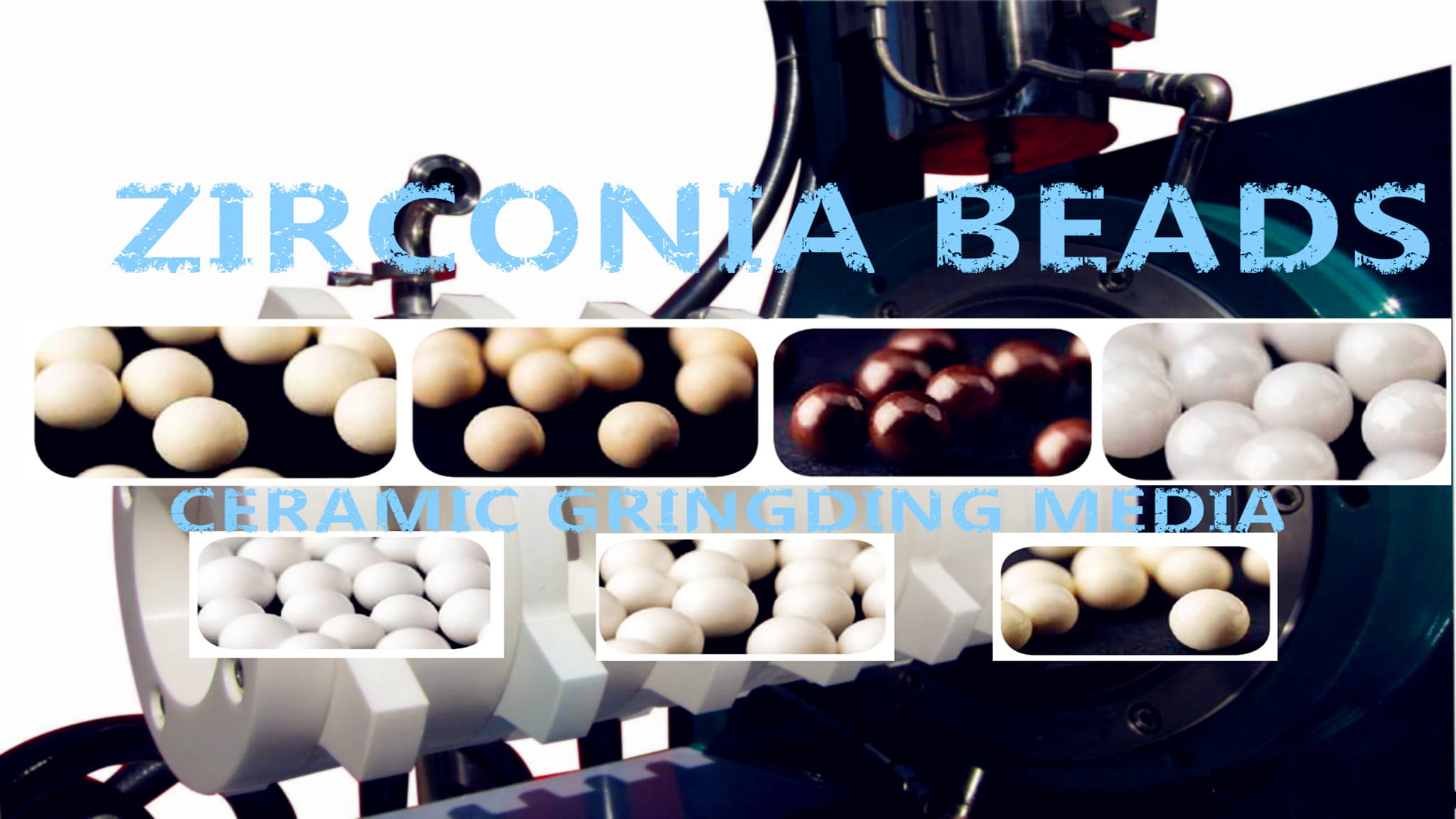
Grinding media are core consumables for ball mills, serving mineral processing, cement production, powder making, new energy materials and lab ultra-fine grinding. Their density, hardness and wear resistance determine milling efficiency, product purity, particle size, output, power consumption and mineral recovery rate. Proper media optimize processes, cut costs and improve quality. Unsuitable media cause incomplete dissociation, uneven fineness, heavy equipment wear, high energy use and material contamination. Four major types of grinding media are widely used: metallic, ceramic, natural stone and organic non-metallic media, each with unique features and applications. Metallic media have high density and strong impact force. Carbon steel and high-chrome steel balls are cost-effective for coarse & medium grinding of ores, cement clinker and slag, but they wear fast and produce iron impurities. Stainless steel balls resist rust and corrosion, perfect for food, pharmaceutical and fine chemical grinding with high cleanliness needs, while their crushing capacity is limited. Steel rods avoid over-grinding and control particle size, ideal for quartz sand and aggregate processing. Tungsten carbide media has superior hardness and density for nano-level grinding, yet its high cost and brittleness only suit laboratory high-precision research. Ceramic media are ideal for fine and ultra-fine grinding with zero metal pollution and excellent wear resistance. Alumina balls offer great cost performance for kaolin, talc and ceramic raw material processing. Zirconia beads feature ultra-low wear and high precision, the top choice for lithium battery materials, electronic powder and medical products. Zirconia-alumina composite beads balance performance and cost for complex refractory ores. Zirconium silicate beads fit medium-grade ultra-fine grinding of coatings and common minerals. Natural stone media such as agate and quartz pebbles are low-cost and pollution-free, but poor in hardness and grinding performance. They are mostly eliminated from industrial production and only used for simple lab tests. Glass beads and plastic media have low hardness and no crushing power, only for pigment dispersion and soft material mixing, not for ore grinding. Selection Guide: Use high-chrome steel balls for heavy-duty coarse grinding with loose purity rules. Choose high-alumina balls for iron-free medium & fine grinding. Adopt zirconia beads for ultra-fine processing of high-purity, high-value materials. Zirconia-alumina composite media work best for diverse complex ores. Select media based on material hardness, required fineness, purity standards and budget. Scientific selection reduces consumable loss and power cost, boosts product quality and recovery rate, and enables efficient, clean and low-cost operation for milling lines. #ballmill#grindingmedia#steelball#ceramicbeads#mineralprocessing#powdermanufacturing#industrialgrinding#costreduction
Stop Misusing 4.8mm Small Balls! Wrong Ball Size Blocks Diaphragm & Cuts Mill Output https://youtu.be/YNmffJSkYnI Many slag and cement ultrafine mill operators blindly load large amounts of 4.8 mm steel balls in the second compartment, believing smaller balls bring larger specific surface area and finer output. In fact, these tiny balls often block the mill diaphragm, slash production, and raise running costs. Field tests on 3.8×16 m ultra-fine mills proved it: removing all 4.8 mm steel balls and supplementing 8 mm balls keeps stable fineness and hourly capacity. Tests on slag grinding also show specific surface rises moderately with bigger balls ranging from 6 mm to 15 mm, contradicting the "smaller equals better" idea. 4.8mm balls break easily during operation. Mill diaphragm openings sit between 2mm and 2.5mm, broken ball scraps jam gaps, pile up materials inside cylinder, increase load and reduce throughput. Two practical fixes: Replace 4.8mm steel balls with 6mm ceramic beads and upgrade diaphragm openings to more than 4mm. Swap the punched diaphragm for a slit screen board to improve material discharge. For second compartment ultra-fine grinding, start the minimum ball size at 6 mm instead of 4.8 mm to stabilize output and cut power consumption. Check our ceramic grinding media solution at beadszirconia.com. #ultrafinemill#ballmillgrading#slaggrinding#cementmill#miningcostreduction#grindingprocessoptimization#ceramicgrindingbeads 超细磨配球误区:别再盲目用 4.8mm 小球,堵篦板降产量! 做矿渣、水泥超细磨的同行,很多人陷入一个误区:觉得钢球越小,研磨比表面积越大、出料细度越好,于是在二仓大量添加 4.8mm 微型钢球,最后频繁堵磨、产量上不去,成本白白浪费。 结合 3.8×16m 超细磨现场多组实测数据,打破固有配球逻辑。原二仓采用 Φ4.8、6.35、8、10mm 四级配球,现场单组对比试验中,直接取消 4.8mm 钢球,增补 8mm 钢球补足装填量,成品细度、研磨台效没有下降,实测研磨指标甚至更稳定,证明 4.8mm 小球的研磨能力,比不上 6.35mm 与 8mm 钢球。 矿渣磨专项实验进一步佐证:在 0.045mm 超细研磨工况下,从 Φ6mm 到 Φ15mm 区间,钢球规格变大,成品比表面积同步小幅上涨,并非球径越小,研磨效果越好。 除此之外,4.8mm 钢球还有致命缺陷。超细磨出料冲孔篦板筛孔普遍在 2~2.5mm,小球在研磨中极易碎裂,细碎钢渣卡堵篦缝,筒体内物料堆积变厚,出料受阻,磨机负荷飙升、产能持续走低,实拍篦板堵料破损现场就是常年使用 4.8mm 球的通病。 现场两套成熟整改方案分享。第一,停用 4.8mm 钢球,替换为 6mm 陶瓷球搭配原有钢球混用,同步将篦板筛孔升级至 4mm 以上,从源头规避碎球堵孔;第二,淘汰传统冲孔篦板,整机更换条缝式筛板,优化过料通道,提升排料效率。 超细磨二仓最小配球优先锁定 6mm 起步,摒弃 4.8mm 误区,兼顾研磨效率与设备通畅度,稳定台产、降低电耗损耗。 #超细磨#球磨机配球#矿渣磨#水泥磨#磨机降本增效#粉磨工艺
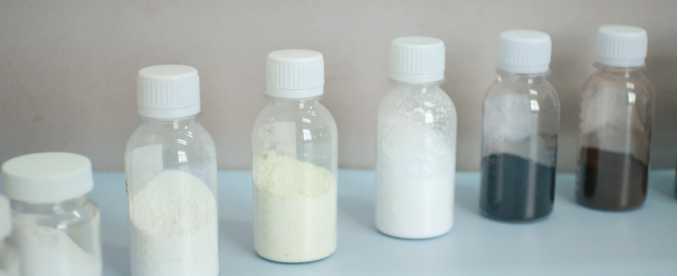
Discover the top 8 trending ceramic powders transforming advanced industries like aerospace, electronics, and biomedicine. From High-Purity Alumina (HPA) to Silicon Carbide (SiC), learn about their unique properties and applications in high-tech fields.
The Future of Sodium-Ion Batteries: Exploring Opportunities and Challenges | BeadsZirconia Dive into the future of sodium-ion batteries and explore the opportunities and challenges they present. Understand how this emerging technology could revolutionize energy storage with cost-effective and sustainable solutions. #sodium-ionbatteries #[104753] #[120368] #opportunities#challenges #[285805] #[235804] #[285806] #[167375] #cost-effectiveenergystorage https://www.beadszirconia.com/....the-future-of-sodium
Город No. 89, Yongpi Bridge South Lane, Guangfeng Village Park Middle Road,
Социальные ссылки
О нас
Sanxin New Materials Co., Ltd. focus on producing and selling ceramic beads and parts such as grinding media, blasting beads, bearing ball, structure part, ceramic wear-resistant liners, Nanoparticles Nano Powder www.beadszirconia.com beadszirconia.com