


A dissolved oxygen sensor is a precision instrument used to measure the concentration of dissolved oxygen in water. Its core function is to convert the dissolved oxygen content in water into a readable electrical signal or data. It is widely used in water quality monitoring, wastewater treatment, aquaculture, and environmental science.
I. Basic Principles Dissolved oxygen sensors measure dissolved oxygen through different technical principles. Common types include electrochemical methods (polarographic, galvanic cell) and optical methods (fluorescence). The specific principles are as follows:
1. Electrochemical Methods (Polarographic/Gastric Cell)
Polarographic: By applying a specific voltage between electrodes (usually a platinum cathode and a silver/silver chloride anode), dissolved oxygen undergoes a reduction reaction at the cathode, generating a diffusion current proportional to the oxygen concentration. The current directly reflects the dissolved oxygen concentration (the electrolyte and permeable membrane need to be replaced periodically).
Gastric Cell: No external voltage is required. It utilizes the redox reaction between a metal anode (e.g., lead) and a cathode (e.g., silver) to generate current. The current is proportional to the dissolved oxygen concentration. It has a simple structure but is susceptible to interference.
2. Optical Method (Fluorescence Method)
Based on the principle of fluorescence quenching: Fluorescent substances in the sensor emit fluorescence when excited by light of a specific wavelength. Dissolved oxygen interacts with the fluorescent substances, causing the fluorescence intensity to decay. The dissolved oxygen concentration is calculated by detecting changes in fluorescence. This method requires no electrolyte, has a fast response speed, strong anti-interference ability, and a long maintenance cycle.
II. Main Application Areas
1. Wastewater Treatment:
Monitoring dissolved oxygen concentration in aeration tanks, optimizing aeration equipment operation, ensuring efficient decomposition of organic matter by aerobic microorganisms; controlling dissolved oxygen in the anaerobic treatment stage to avoid inhibiting anaerobic bacteria activity.
2. Aquaculture:
Real-time monitoring of dissolved oxygen in aquaculture water to ensure the respiratory needs of fish, shrimp, and other aquatic organisms, preventing hypoxia-induced mortality, while avoiding excessive aeration and energy waste.
3. Environmental Monitoring:
Assessing the ecological health of rivers, lakes, oceans, and other water bodies (dissolved oxygen is a key indicator for the survival of aquatic organisms), monitoring pollution events (such as a sudden drop in dissolved oxygen due to organic pollution).
4. Industrial Process Control: In industries such as fermentation, pharmaceuticals, and food and beverage, dissolved oxygen in fermenters is controlled to optimize microbial metabolism; in the power industry, dissolved oxygen in cooling water is monitored to prevent pipeline corrosion.
5. Hydrology and Scientific Research: Research on groundwater and surface water exchange and soil oxygen content provides data support for water resource management and ecological research.
Dissolved oxygen sensors are core tools for water quality monitoring and aquatic ecosystem management. By accurately measuring dissolved oxygen concentration, they provide crucial data support for environmental protection, industrial optimization, aquaculture, and other fields. Technological advancements (such as the widespread adoption of optical methods) have further improved the stability, convenience, and intelligence of measurements.
https://www.renkeer.com/what-i....s-dissolved-oxygen-s
How important is water quality monitoring? How to monitor?
Water quality monitoring is one of the main tasks in environmental monitoring work, is accurate, timely and comprehensive to reflect the current situation and development trend of water quality, for water environment management, pollution control, environmental planning, etc. to provide a scientific basis for the entire water environment protection, water pollution control and maintenance of the water environment health plays a vital role. In recent years, with the increasingly serious pollution of water resources, water quality monitoring as a basic work in water pollution control, its significance and role has become more important.
Water quality monitoring refers to the unified timed or runtime testing of chemicals, suspended solids, substrates and water ecosystems in the water, monitoring and determining the types, concentrations and trends of pollutants in the water body, and evaluating the status of the water quality and other work.
The purpose is to accurately, timely and comprehensively reflect the current status of water quality and development trends, to provide a scientific basis for the management of the water environment, pollution control, environmental planning.
Water quality monitoring indicators can be divided into two categories:
One is to reflect the water quality status of the comprehensive indicators, such as temperature, chromatic, turbidity, ph, conductivity, suspended solids, dissolved oxygen, chemical oxygen demand and biological oxygen demand;
Another category is some toxic substances, such as phenol, cyanide, arsenic, lead, chromium, cadmium, mercury and organic pesticides.
Routine monitoring of water quality methods:
One site to take samples, go to the testing organist to test;
Second, the purchase of water quality monitoring equipment, through the water quality sampling and monitoring;
Third, the resident water quality monitoring device placed on the water surface want to monitor, through the device inside the sensor monitoring data, by its own gateway network transmission to the Internet of Things platform to implement the calculation and analysis of statistics, by the mobile phone or computer to implement remote real-time monitoring and early warning.
https://www.renkeer.com/conductivity-in-water/

Hazards of Carbon Monoxide Poisoning
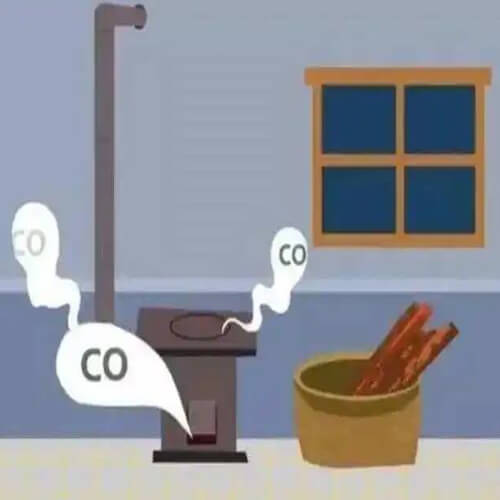
Carbon monoxide, commonly referred to as CO, is an odorless, colorless, tasteless gas that can cause sudden illness or death when present high concentrations. It is often termed the “invisible killer” because it is virtually undetectable by human senses.
Carbon monoxide is produced the incomplete burning of various fuels, including coal, wood, charcoal, oil, kerosene, propane, and natural gas. Products and equipment powered by internal combustion engines such as portable generators, cars, lawn mowers, and power washers also contribute to carbon monoxide production.
The hazards of carbon monoxide poisoning are profound and far-reaching. Prolonged or high-level exposure can lead to severe health complications or death, with the Centers for Disease Control and Prevention (CDC) reporting that more than 400 Americans die annually from unintentional CO poisoning.
1. Neurological Damage: Carbon monoxide disrupts the normal transportation of oxygen by hemoglobin in the blood. This deprivation of oxygen to the brain can lead to serious neurological damage, including difficulties with concentration, memory loss, unsteady gait, and speech problems.
2. Cardiovascular Complications: Chronic exposure to carbon monoxide can lead to cardiovascular issues. These include increased heart rate, coronary heart disease, and damage to the heart muscle resulting in decreased exercise tolerance and increased risk of heart failure.
3. Death: The most severe hazard of carbon monoxide poisoning is death, often occurring in sleep before symptoms are noticed.
Identifying the symptoms of carbon monoxide poisoning can potentially save lives. They include headache, fatigue, shortness of breath, nausea, dizziness, confusion, and loss of consciousness. Anyone suspecting carbon monoxide exposure should immediately move to an open space with fresh air and seek prompt medical attention.
https://www.renkeer.com/know-c....arbon-monoxide-detec
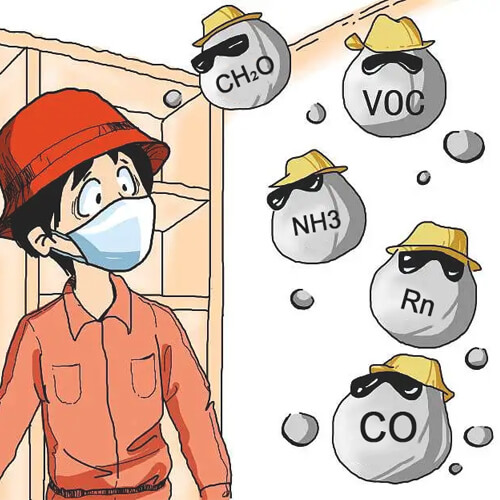
With the increase in industrialization and urbanization worldwide, the quality of the air we breathe has become significant concern. The World Health Organization (WHO) reports that 9 out of 10 people globally breathe polluted air, which the lives of around 7 million people every year. This has to the rise of various technologies aimed at monitoring and improving air quality, with Air Quality Sensors (AQS) taking the lead.
An air quality sensor is a device designed to measure and report the specific quantity and type of the pollutants in the air. These pollutants include particulate matter (like dust, smoke, and allergens), gaseous pollutants (like carbon monoxide, nitrogen dioxide, and ozone), and biological pollutants (like pollen, bacteria, and mold).
Principles of Air Quality Sensors
1. Sensing Principle
The core principle of air quality sensors is the sensing principle. Air quality sensors use different methods to detect pollutants in the air. This can include chemical reactions, light scattering techniques, or even changes in electrical resistance.
2. Calibration
Calibration is a crucial aspect of air quality sensors. It refers to the process of adjusting the sensor's output to match a known standard. Calibration ensures that the sensor readings are accurate and reliable.
3. Quality Control
Quality control is another integral principle in air quality sensors. It involves regular testing and maintenance of the sensors to ensure they continue to operate optimally and accurately.
https://www.renkeer.com/what-i....s-air-quality-sensor
The Imperative Need for Carbon Dioxide Concentration Monitoring
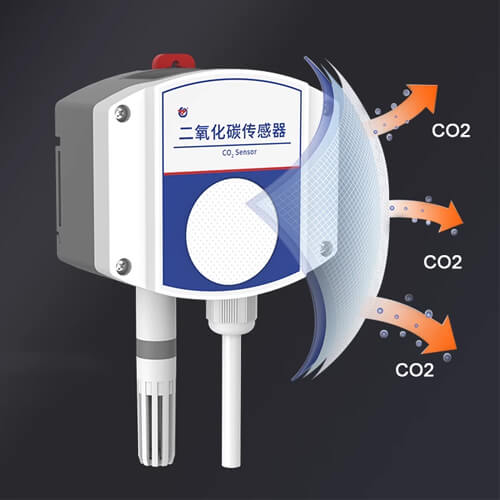
The world is steadily becoming more aware of the potentially devastating effects of climate change and the role that certain gases, particularly carbon dioxide, play in this global issue. As a result, the importance of monitoring carbon dioxide (CO2) levels has ascended to the forefront of environmental discussions. The implementation of a carbon dioxide detector in various settings can help to measure and manage CO2 emissions, thereby contributing to the overall goal of sustainability.
Carbon dioxide, a byproduct of human and animal respiration, industrial processes, and the burning of fossil fuels, is a significant greenhouse gas. It traps heat from the sun within the Earth's atmosphere, leading to a rise in the planet's average temperature—a phenomenon known as global warming. The increasing CO2 concentrations in the atmosphere have been identified as one of the primary culprits of this environmental crisis.
While carbon dioxide is a natural part of our atmosphere and is critical for plant life, excessive levels can pose serious health risks to humans and animals. Prolonged exposure to high CO2 concentrations can result in headaches, dizziness, shortness of breath, and, in extreme cases, loss of consciousness or even death. The need for a carbon dioxide detector in spaces like homes, offices, and schools is therefore indispensable for maintaining health and safety.
https://www.renkeer.com/carbon....-dioxide-detectors-d
We are manufacturer for temperature and humidity transmitter,infrared temperature sensor,O3 detector, rain gauge, co2 sensor, pressure sensor, water level sensor and so on. Any question welcome to contact us for free.


Crop your avatar